



Published
“Get out of the building, you’ll never find product-market fit in the lab."
This advice was given by veteran investor Andrew Couilard from Harpoon Ventures at a recent gathering of ARPA-H's newest small business program awardees at a kick-off event in July.
More than an orientation, the kickoff demonstrated how ARPA-H is building an ecosystem that helps innovators move beyond groundbreaking research toward real-world health impact.
Turning a scientific breakthrough into a successful company requires more than technical excellence. Bringing a technology to patients requires understanding who will use it, how it will be regulated, who will pay for it, and what evidence is needed to demonstrate its value.
Every year, breakthrough health technologies emerge with the potential to transform patient care. Yet, many never reach the people they were designed to help. Not because the science falls short, but because innovators face a different challenge: navigating the complex path from discovery to commercialization.
At ARPA-H, specifically the Office of Commercialization, accelerating that journey is part of our mission.
Commercialization begins long before a product reaches the market
Throughout the day, ARPA-H leaders emphasized that considerations around patient access and costs cannot wait until the research is complete. By encouraging performers to think about commercialization from day one, the agency helps companies identify risks earlier, make more informed development decisions, and build stronger pathways toward eventual adoption.
"Our goal is to get these technologies into the marketplace, improving the health of the American people. If we don't commercialize, we're never going to help anybody."
— Neil Wyant, Director of the ARPA-H Office of Commercialization
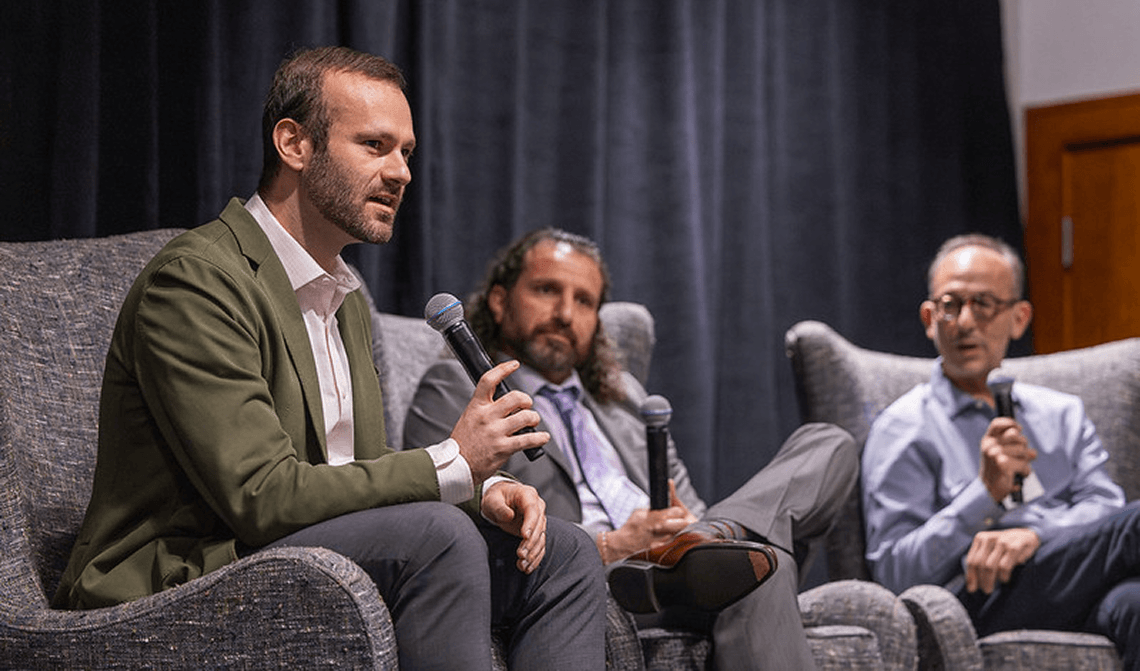
This commercialization-first mindset reflects a broader agency imperative to reduce the time and distance between breakthrough science and patient impact. Early customer discovery, thoughtful regulatory planning, and continuous engagement with stakeholders are not activities reserved for the end of development but essential ingredients for getting there faster.
Building companies that can deliver impact
During the event, panelists challenged performers to think beyond the technology itself and focus on the broader vision for bringing innovation to market. Strong science establishes credibility, but founders must also demonstrate market understanding, communicate a compelling vision, build exceptional teams, and execute with urgency. Those qualities inspire confidence in investors, customers, strategic partners, and future collaborators.
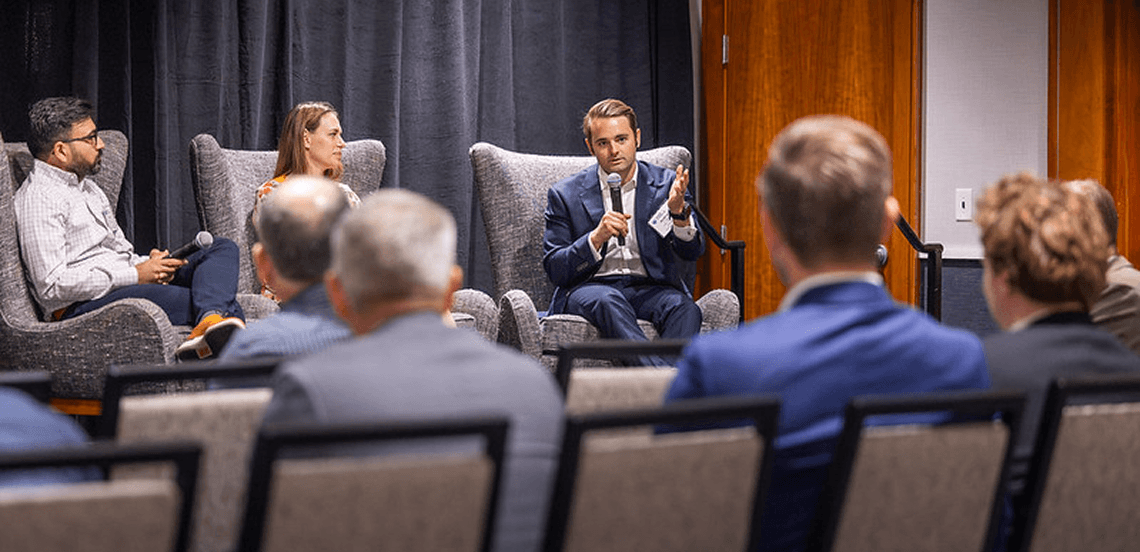
These conversations reinforced that commercialization is ultimately about solving meaningful problems for real people. The work begins by engaging customers early, validating assumptions, and understanding where a technology creates value.
Or, as Couilard exclaimed, it starts by “getting out of the building” and to the patients to understand what will truly work or be accepted and what won’t.
Participants also highlighted the importance of building lasting partnerships. Whether assembling a board of trusted advisors or cultivating relationships with investors, successful company building depends on bringing in people who challenge assumptions, have diverse perspectives, and remain committed through both successes and setbacks.
An ecosystem designed to reduce risk
Rather than viewing performers through a narrow lens of contract management, ARPA-H surrounds teams with an ecosystem designed to help them succeed. Program Managers work alongside performers as collaborative partners, helping identify technical synergies, connecting companies with complementary performers, facilitating introductions to commercialization and regulatory experts, and bringing together resources from across government, industry, and the innovation community.
With commercialization support from BioHealth Innovation (BHI), performers are prepared for engagement with federal partners such as the FDA, and gain access to strategic partners and subject matter experts, reflecting ARPA-H's belief that bold ideas require coordinated support to reach their full potential.
"Look at us as collaborative team members,” said ARPA-H Chief Medical Officer Rafid Fadul, M.D. during one of the sessions. “We want to help. Everyone is invested in your success."
For performers, that collaborative approach fundamentally changes the experience of receiving federal funding.
Innovation accelerates through community
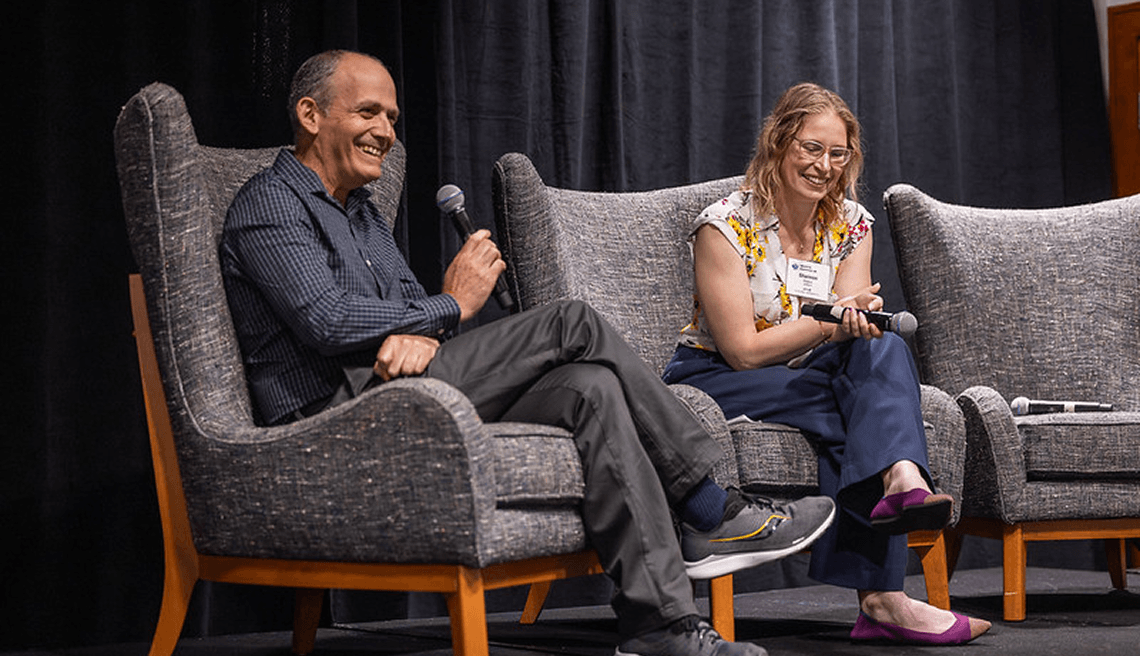
Performer spotlights showcased emerging innovations across the newest SBIR/STTR cohort, creating opportunities for entrepreneurs to exchange ideas, identify complementary expertise, and spark new collaborations. Conversations continued well beyond the presentation stage as performers connected with investors, commercialization advisors, federal partners, and one another.
Those interactions reflected another one of ARPA-H's defining strengths and unique benefits enjoyed by performers. By intentionally convening expert perspectives, the agency creates an environment where knowledge is shared, partnerships emerge, and innovation can move faster. While every performer arrived with a unique technology, they left with something equally valuable: a community.
From award to impact
The SBIR/STTR awardee kickoff reflected ARPA-H's belief that transformative innovation requires more than funding alone. By combining commercialization expertise, active program management, strategic partnerships, investor engagement, and the agency's unique convening power, ARPA-H is helping innovators navigate one of the most challenging phases of technology development: bridging the gap between breakthrough science and patient impact. As the newest cohort begins that journey, they do so as part of an ecosystem intentionally built to help bold ideas succeed.
Learn more about the ARPA-H Small Business Program and the latest open application cycle.